
OP Mainnet’s Growing Role in Onchain Finance

tl;dr April brought $220M in TVL, tokenized precious metals from a Mitsui subsidiary, and an institutional ETH yield product to OP Mainnet. The size of the number matters less than what these assets actually are.
The institutional stack on OP Mainnet has been forming in public. Privacy infrastructure, consumer-scale products, and RWAs moving onchain.
Three arrivals:
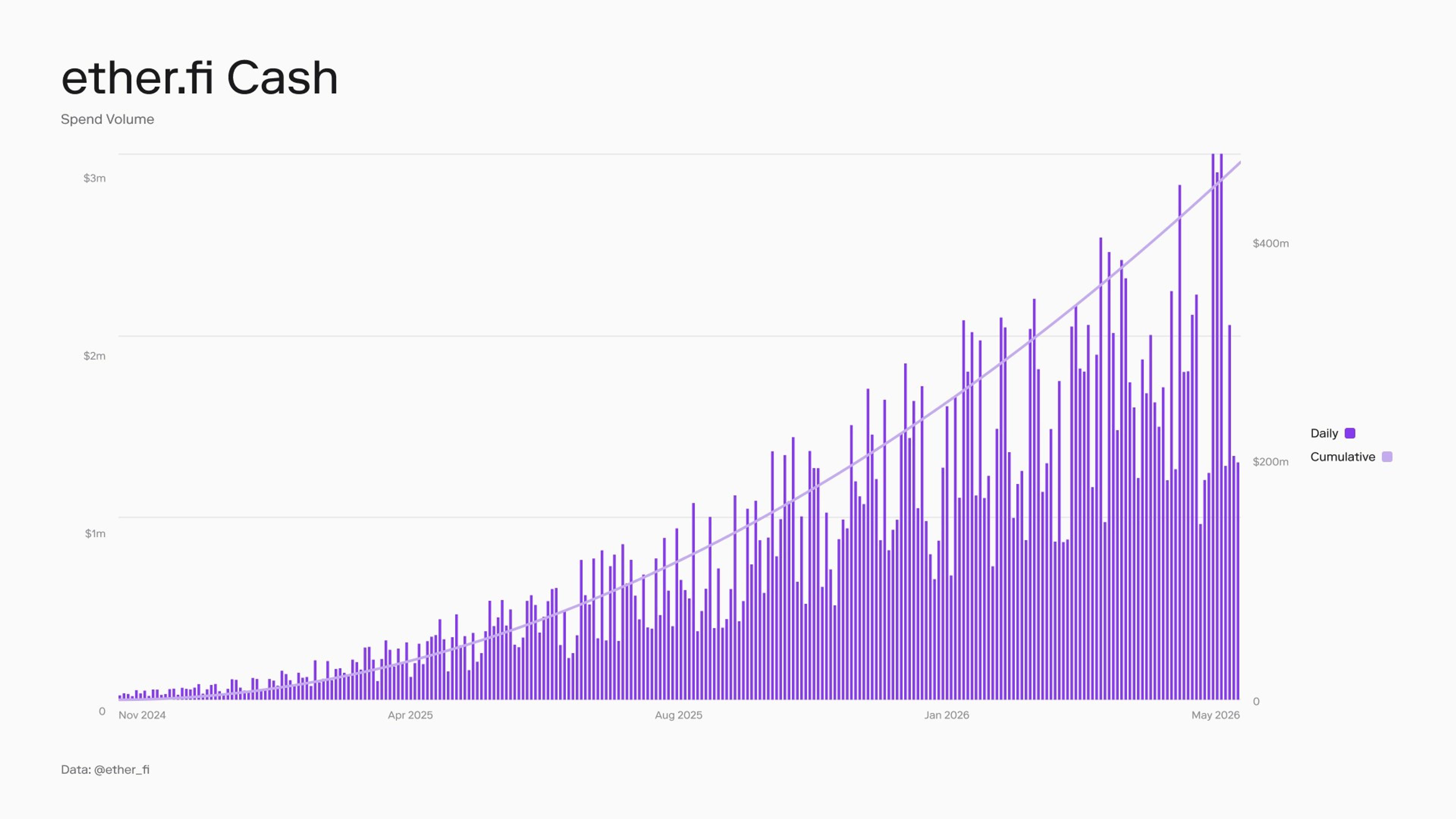
- $220M migrated: ether.fi completed the largest single TVL event in OP Mainnet history in three days, zero downtime, with 70,000 active cards running throughout.
- Japan's first onchain commodity: Zipangcoin, issued by MDC (a Mitsui & Co. subsidiary), launched on OP Mainnet. A regulated tokenized asset representing a basket of physical gold, silver, and platinum. The first deployment of its kind on any public blockchain.
- Institutional-grade yield: Re7 Labs launched mRe7ETH on OP Mainnet, an ETH-denominated investment product built for institutional allocators, accessible through the Midas platform.
What durable TVL looks like
TVL is often used as a proxy for a chain's financial health, but it comes with real caveats. Capital in crypto moves on incentives, migrates when bridges improve, and exits when a hack creates contagion on a neighboring chain. Most of what gets counted as TVL is transient by design.
Durable TVL looks different. It's anchored in user dependency (recurring end-user activity tied to applications), regulatory architecture (compliance embedded in the deployment), and institutional weight (legal review, diligence, and allocator relationships that don't reverse quickly).
Consumer financial products arrive on OP Mainnet
ether.fi's cash product has 70,000 active card users spending money daily. Consumer finance infrastructure, running on OP Mainnet.
Regulated assets arrive on OP Mainnet
Zipangcoin is a commodity-backed crypto asset that brings precious metals onchain as a regulated, yield-bearing instrument. Issued by MDC under Japanese regulatory oversight, Mitsui selected OP Mainnet for its first public blockchain deployment.
The compliance architecture is defined by the product. Mitsui set a precedent: one of Japan's largest trading houses chose the OP Stack to issue a regulated financial product. For institutions evaluating similar deployments, the decision doesn't show up in TVL; it shows up in where the next regulated issuer chooses to deploy.
Institutional adoption compounds
Institutional products require operational and compliance infrastructure before capital can scale. Re7 Labs launched mRe7ETH through the Midas platform, an ETH-denominated yield strategy built for institutional allocators. Allocation decisions at this level require due diligence, legal review, and allocator relationships that take months to build and aren't unwound on short time horizons.
As new products arrive on OP Mainnet, they extend the range of assets available to allocators who have already completed that diligence.
What this compounds into
Six months ago, the institutional stack on OP Mainnet was still emerging. Privacy infrastructure was in place and enterprise conversations were underway, but deployments hadn't arrived yet.
April shows the composition of capital changing, not just the quantity. Consumer products with real daily spending. Regulated commodities from a company with over $60B in annual trading volume. Institutional yield products for allocators with defined investment goals.
Each deployment lowers the barrier for the next one. Mitsui's launch gives the next regulated issuer a live example to point to. $ether.fi/$'s migration performance is now a public benchmark for any consumer product evaluating the same move. Re7's product extends the onchain range that allocators are already reviewing.
The $ether.fi/$ cash card gives 70,000 users a reason to keep capital onchain (spending directly from holdings means the off-ramp stops being necessary). mRe7ETH sits inside allocator portfolios that move on diligence cycles, not market sentiment. The TVL number will keep moving. The composition is what's changed.
Authored by

Optimism